The first cold nights of the season are when most St. Louis homeowners find out whether their furnace is ready. If you turn up the heat and feel cool air coming from the vents instead, it is frustrating, but it does not always mean a major repair. Some causes are simple settings you can fix in a minute. Others point to a part that needs a technician. Here is how to tell the difference.
Start With the Simple Checks
Check the thermostat fan setting. If the fan is set to ON instead of AUTO, the blower runs constantly, even when the furnace is not heating. Between heating cycles, that means room-temperature air moving through the vents, which feels cold. Switch it to AUTO and the fan will only run when the furnace is producing heat.
Give it a moment. When a furnace first starts, the blower can push out some cool air that was sitting in the ductwork before the warm air reaches the vents. If the air warms up shortly after the system kicks on, everything is working the way it should.
Look at the air filter. A clogged filter restricts airflow, and the furnace can overheat. When that happens, a safety switch shuts off the burners while the blower keeps running, so you get cool air. Swapping in a fresh filter fixes more heating calls than you might expect. It also helps with dust, which we covered in our post on why your house is so dusty.
Make sure the furnace has power and gas. Check that the furnace switch is on and the breaker has not tripped. If your other gas appliances are working, the gas supply is probably fine. If you ever smell gas, leave the house right away and call Spire from outside before doing anything else.
When the Problem Is Inside the Furnace
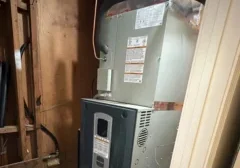
If the simple checks do not solve it, the cause is usually one of these:
A dirty flame sensor. The flame sensor confirms the burners are lit. When it gets coated with buildup, it cannot detect the flame, so the furnace shuts the burners off right after they light and the blower keeps moving cool air.
An ignition problem. Newer furnaces use an electronic igniter instead of a standing pilot light. When the igniter wears out or the pilot goes out on an older unit, the burners never light at all.
A clogged condensate line. High-efficiency furnaces produce water as they run. If the drain line clogs, a safety switch can shut down the burners to protect the system. If you also see water around the furnace, this is a likely culprit.
Leaky or disconnected ductwork. Sometimes the furnace is making plenty of heat, but it is escaping through gaps in ductwork in the attic, crawlspace, or garage before it ever reaches your rooms. If only certain vents are cold, the ducts are worth a look.
Most of these involve gas components and safety controls, so they are best left to a licensed technician.
Have a Heat Pump? Read This First
Heat pumps deliver warm air, but it is not as hot as air from a gas furnace, so it can feel cooler at the vent even when the system is working correctly. Heat pumps also run brief defrost cycles in cold weather. If you are not sure what normal looks like, our post on whether heat pumps actually work in St. Louis walks through how they perform in our winters.
Repair or Replace?
A furnace blowing cold air is usually a repair, not a replacement. But if your system is older, breaks down often, or needs an expensive part, it may be time to weigh your options. Our guide to furnace repair or replacement before winter can help you decide, and our fall furnace maintenance checklist covers the steps that help prevent problems like this in the first place.
Get Your Heat Back On
If your furnace is still blowing cold air after the simple checks, JLM Heating & Air can help. Our technicians diagnose and repair all major furnace brands across St. Louis and South County. Learn more about our furnace repair services or contact us to schedule a visit.