There is no good time to wake up to a cold house, but it always seems to happen on the coldest morning of the week. Before you assume the worst, take a breath. A surprising number of no-heat calls come down to something simple you can check in a few minutes.
Here is what to look at first, what to leave alone, and when it is time to pick up the phone.
Safety First
If you smell gas, do not touch light switches, the thermostat, or the furnace. Leave the house and call your gas provider, such as Spire, from outside.
If a carbon monoxide alarm is going off, get everyone out, including pets, and call 911. The CDC notes that carbon monoxide has no smell or color, which is why working detectors near sleeping areas matter so much in winter.
If neither of those applies, move on to the checks below.
1. Check the Thermostat
It sounds too easy, but start here. Make sure the thermostat is set to heat, not cool or off, and that the set temperature is above the current room temperature. If it has a screen that is blank or dim, the batteries may be dead. Swap them out and give it a few minutes.
If you have a programmable or smart thermostat, check that a schedule or a recent update did not change your settings.
2. Check the Breaker and Furnace Switch
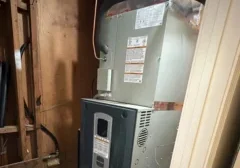
Your furnace runs on electricity even if it burns gas. Look at your electrical panel for a tripped breaker labeled furnace or HVAC. Also look near the furnace for a switch that looks like a regular light switch. It is easy to bump it off by accident, especially if the furnace is in a storage area.
If a breaker trips again right after you reset it, leave it off and call a technician. That points to an electrical problem that should not be ignored.
3. Check the Air Filter
A badly clogged filter can choke off airflow. Many furnaces will shut themselves down when they overheat from restricted airflow. If your filter is gray and caked with dust, replace it and see whether the system comes back on.
4. Check the Furnace Door and Vents
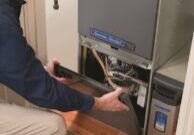
Most furnaces have a safety switch that keeps them from running if the front panel is not seated correctly. Make sure the door is fully closed. While you are there, check that supply vents and return grilles in the house are open and not blocked by furniture or rugs.
5. Look at the Exhaust Pipe Outside
High-efficiency furnaces vent through PVC pipes that often exit through a side wall. Snow, ice, or debris can block them and cause the furnace to shut down. If the pipe is blocked, gently clear it.
What Not to Do
Some fixes are best left to a professional. Avoid:
- Taking apart the furnace or removing internal panels
- Repeatedly restarting a furnace that keeps shutting off
- Using the oven or a gas stove to heat the house
- Running a portable heater near curtains, bedding, or furniture
When to Call for Service
It is time to call if:
- You have worked through the checks and still have no heat
- The furnace turns on but blows cold air (our guide on a furnace blowing cold air covers common causes)
- You hear banging, grinding, or squealing
- You see a flashing error light on the furnace control board
- The breaker keeps tripping
If you have pipes in exterior walls or an unheated crawl space, do not wait too long. A house without heat in a hard freeze can lead to frozen pipes on top of a furnace repair.
Keep It From Happening Again
Most no-heat emergencies start as small issues that a seasonal tune-up would catch. Our St. Louis HVAC maintenance calendar lays out what to check and when.
If your house is cold and the basics did not fix it, our team is here to help. Contact JLM Heating & Air Conditioning to schedule a repair.